Before the Big Day · Part 4
Golden Hour Waits for No One: What Happens When Your Timeline Shifts
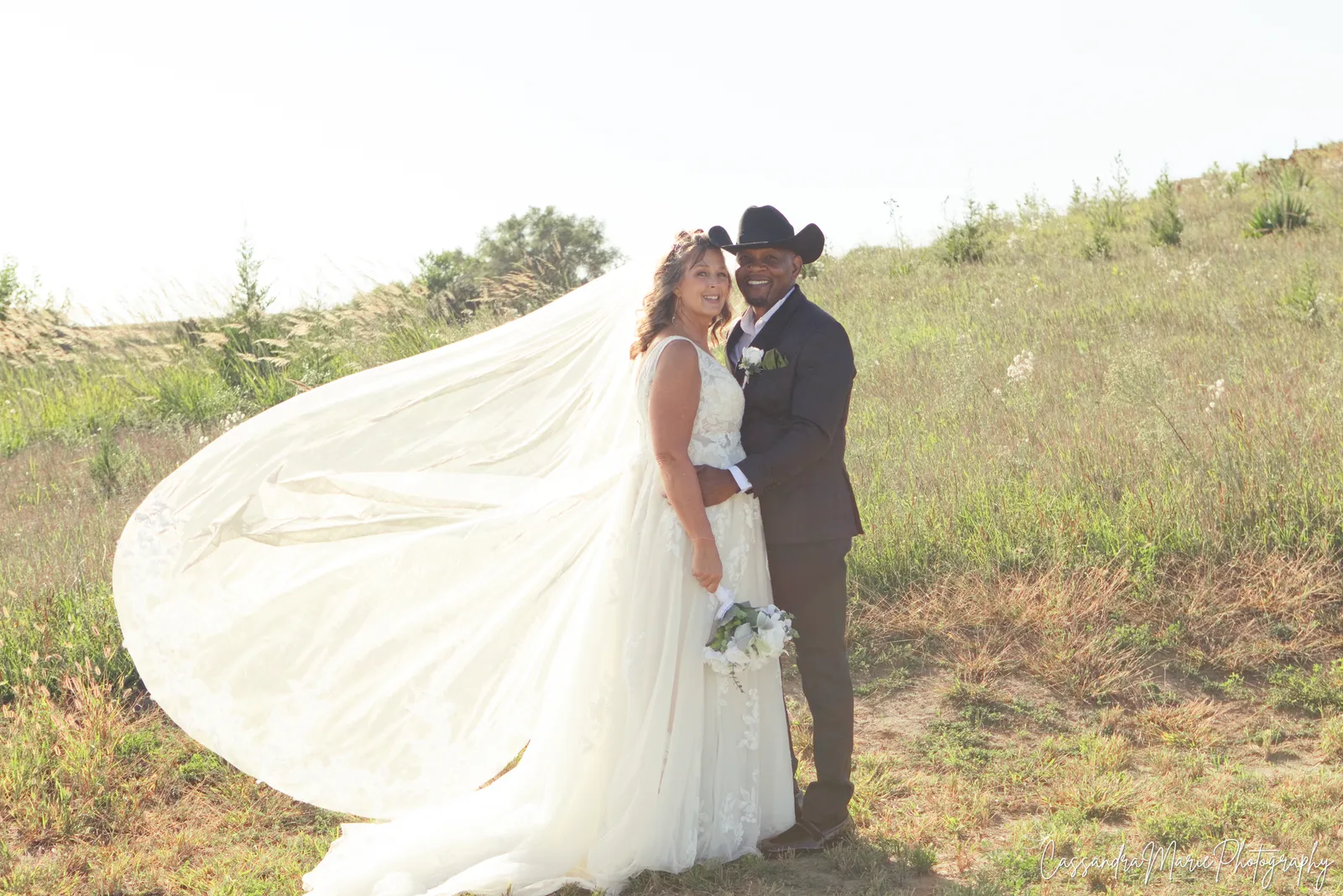
If you've spent any time looking at my work, you already know: golden hour is my thing.
It isn't a trend I picked up or a box I check. It's the light I've always come back to, the light that makes skin glow, makes florals look lit from within, and makes a couple standing in an ordinary field look like the most important people in the world. As an Omaha wedding photographer, golden hour is my signature, and planning for it is one of the things I care about most on your wedding day.
But here's the honest truth about golden hour: it doesn't wait for anyone. The sun sets when it sets, whether dinner ran long, the toasts went an extra fifteen minutes, or the ceremony started late. So let's talk about what golden hour actually is, why it matters so much for your photos, what can push it off course, and what we do when the timeline and the sunset don't line up.
And remember: finding the light is my job, not yours. This post is here so you know what's happening behind the scenes, not so you have one more thing to manage.
What Is Golden Hour, Really?
Golden hour is the window of warm, soft, glowing light around sunset. For me, that means roughly 30 minutes before sunset to 30 minutes after. The sun sits low in the sky, the harsh shadows of midday disappear, and everything takes on that warm, dreamy quality you've probably saved a hundred times on Pinterest.
Midday light is bright and direct. It creates squinting, hard shadows under the eyes, and highlights that are tough to control. Golden hour light is the opposite: gentle, flattering, and warm. It wraps around you instead of beating down on you.
That's why a short golden hour session so often produces couples' very favorite photos of the whole day.
Why Golden Hour and True-to-Color Photography Go Hand in Hand
I specialize in true-to-color photography, which means your photos look the way your day actually looked. Your florals stay the shade you chose, your attire stays the color it really is, and your skin looks like you.
Golden hour is where that approach truly shines. Natural, warm evening light gives me the richest, most honest version of every color in the frame. There's no need to fight harsh shadows or heavy editing. The light does so much of the work, and true-to-color editing simply lets it be what it was.
When couples look back at their golden hour photos years later, the feeling is almost always the same: that's exactly how it felt.
Golden Hour in Omaha Changes With the Seasons
Here in Nebraska, the sunset moves a lot over the course of a year, and that shapes your entire timeline.
- Late spring and summer: Sunset lands late, around 9:00 PM at the peak of summer. Golden hour usually falls during your reception, which makes a quick portrait slip-away easy to plan.
- Early fall: Sunset creeps earlier, often landing around dinner or toasts. This is where timeline planning gets important, because golden hour can overlap with your biggest reception moments.
- Late fall and winter: Sunset can come before 5:00 PM. For many winter weddings, golden hour happens before or during the ceremony, which means a first look is often the only way to get golden hour portraits at all. (Part 2 covers this in detail.)
When we build your timeline together, I'll look up the exact sunset time for your date and location and plan your portraits around it. You don't need to track any of this. I just want you to understand why your timeline looks the way it does.
What Pushes a Timeline Off Course
Even the most carefully planned wedding days drift a little. That's normal, and it's exactly why buffers exist (more on those in Part 3). But some delays have a way of stacking up right before sunset:
- A late ceremony start. Waiting on guests, a late processional, or an officiant running behind can shift everything after it.
- Family photos running long. Especially without a first look, one wandering relative can eat into later portrait time.
- Dinner service. Catering sometimes takes longer than planned, especially with larger guest counts.
- Toasts that run long. Speeches are beautiful, but three toasts planned for fifteen minutes can easily become thirty-five.
- Reception events getting rearranged. A DJ or coordinator may shift the order of the evening on the fly to keep energy up.
- Weather. Clouds, rain, or wind can change what golden hour looks like, or whether we can safely be outside at all.
None of this is anyone's fault. It's just the reality of a day with a lot of people and a lot of moving pieces. What matters is having a plan for when it happens.
How I Protect Your Golden Hour
This is where my job gets a little behind-the-scenes, and where I want you to be able to fully relax.
I build it in from the beginning. Your golden hour portraits get a dedicated spot on your timeline, usually 15 to 20 minutes, timed to when the light is at its best.
Everyone knows it's coming. Whether I write your timeline myself or work with your day-of coordinator, golden hour is on the plan your DJ, coordinator, and venue all see. That way, no one schedules the cake cutting at exactly the wrong moment.
I watch the clock so you don't have to. On your wedding day, I'm keeping an eye on the sunset the whole time. If the evening starts drifting, I'll adjust on the fly and work with your coordinator or DJ to shift things around.
I'll come find you. When the light is right, I'll gently pull you away, even if you're mid-conversation or mid-dance. Trust me when I come get you. Those fifteen minutes will be worth it, and the party will still be there when you get back.
What Happens If We Miss Golden Hour?
Sometimes, despite everyone's best efforts, the timeline and the sunset just don't line up. The toasts run long, the rain rolls in, or a winter wedding simply doesn't have golden hour after the ceremony. Here's what I want you to know: you're still going to have beautiful portraits. Here's how it plays out:
If we're running a little late: blue hour. Right after the sun dips below the horizon, there's a short window of soft, cool, glowing light. It's moodier and more romantic than golden hour, and it can be absolutely stunning. If the evening has drifted but we still have that window, we'll slip out and make the most of it.
If it's too late: your earlier portraits have you covered. Once the light is gone, we simply skip the evening session. That's okay! Your couple portraits from earlier in the day will already have covered most of your poses and the images you'll treasure most. Golden hour adds that extra warm, dreamy layer, but your gallery won't be missing its heart without it.
If it's raining: we stay in. We won't head outside in the rain for golden hour portraits, so the evening session is skipped. You stay dry and comfortable, and you get to enjoy your reception.
If we know ahead of time: we plan around it. For winter weddings, or timelines where golden hour just won't fit after the ceremony, we plan for it from the start, usually with a first look and portraits scheduled for the best light available that afternoon.
The Golden Hour Bridal Experience: No Timeline, No Pressure
This is exactly why I recommend a separate bridal session if golden hour portraits are important to you. On your wedding day, golden hour is always planned but never promised. Timelines shift, weather happens, and the sun doesn't wait. A separate session takes all of that pressure away.
The Golden Hour Bridal Experience is a dedicated portrait session in your full wedding attire, on a separate evening, timed perfectly for golden hour. No guests waiting, no toasts running long, no rushing back to the reception. Just you (and your partner, if you'd like), beautiful light, and all the time we need.
It's perfect for:
- Winter weddings where golden hour happens before the ceremony
- Couples with packed reception timelines
- Anyone who wants more golden hour portraits than a 15-minute slip-away allows
- Couples who want a relaxed, unhurried session in their attire, without the pressure of the wedding day
And if the weather doesn't cooperate on your session date, we simply reschedule for another evening. That's something your wedding day can never offer.
What You Can Do to Help
You don't need to track the sunset or worry about the light. But a few small things make golden hour go smoothly:
- Tell your coordinator and DJ it matters to you. When they know golden hour is a priority, they'll help protect it.
- Keep your touch-up kit handy. A quick lipstick refresh before we head out makes a difference.
- Wear shoes you can walk in (or bring a backup pair). Golden hour spots often mean a short walk across grass or gravel.
- Let your wedding party know you'll step away briefly. That way no one panics when you disappear for fifteen minutes.
- Say yes when I come find you. I promise to have you back quickly.
Questions to Ask Yourself as You Plan
- How important are golden hour portraits to us compared to other parts of the day?
- What time of year is our wedding, and when will the sun set?
- Would a first look give us better light for our portraits?
- Are our biggest reception moments scheduled right at sunset?
- Would The Golden Hour Bridal Experience give us the portraits we really want, without the pressure?
Coming Up Next in Before the Big Day
In Part 5, we're getting practical about makeup, especially if you're doing your own. We'll cover why sunscreen in your makeup can create a gray cast in photos, what photographs beautifully, and how to make sure your look lasts from getting ready to the last dance.
And if you're still searching for an Omaha wedding photographer who will plan around golden hour, protect it on your wedding day, and capture every moment with true-to-color photography, I'd love to hear your story.
— Cass